
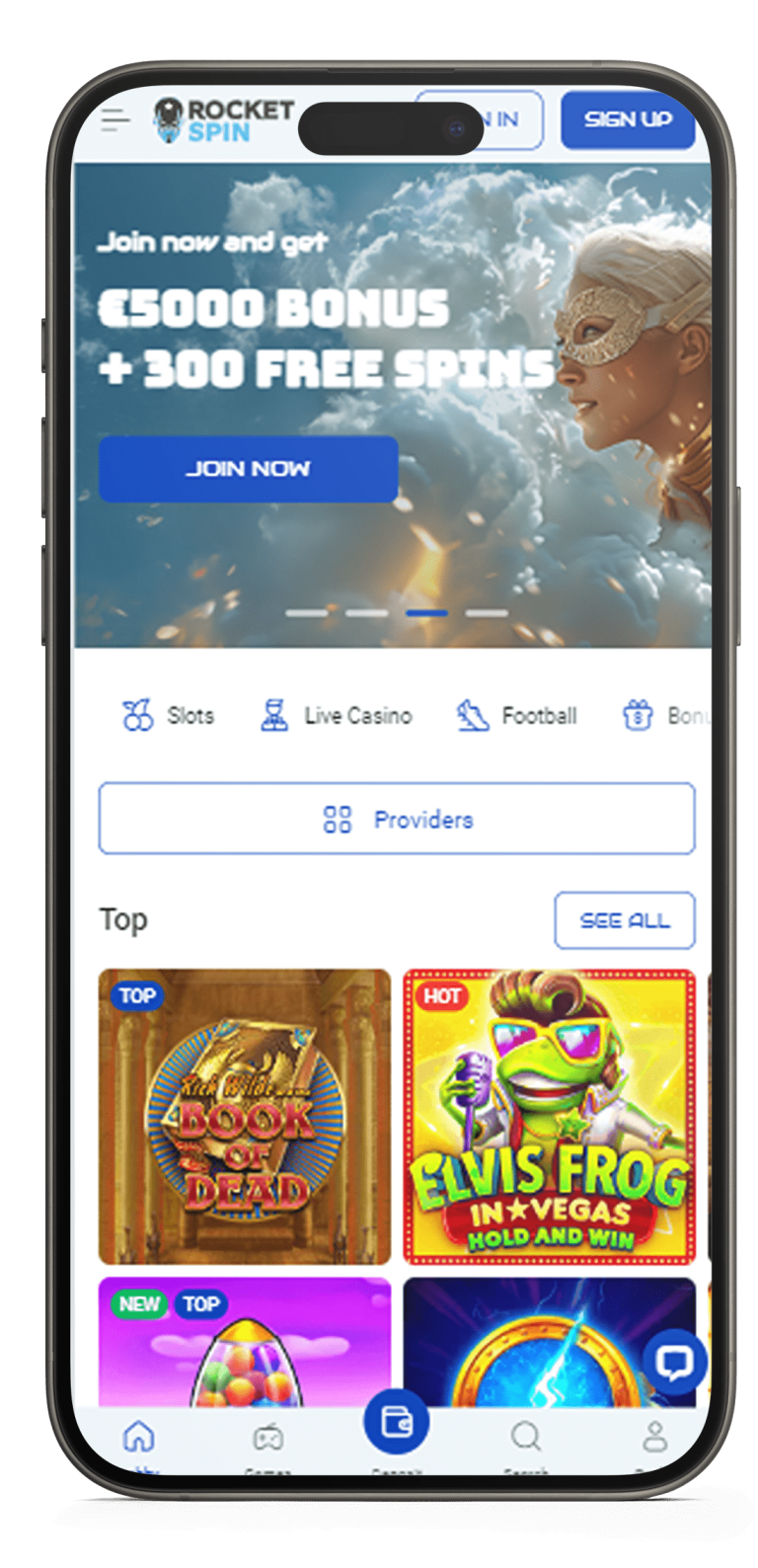
As we traverse the growing landscape of online gambling, particularly platforms like Rocket Casino, we acknowledge the complex mental health issues it presents, especially in Canada. While these venues offer chances for interaction, they can also deepen problems like anxiety and gambling addiction. With therapy wait times stretching longer, we’re left wondering how we can find a harmony between entertainment and emotional well-being—leading us to investigate potential solutions that could support our mental health in this evolving landscape. https://casinorocket.eu/en-ca/
Key Takeaways
- Online gaming, such as Rocket Casino, can encourage camaraderie but may mask underlying mental health struggles and delay seeking therapy.
- Increased gambling can complicate emotional recovery, leading to anxiety and prolonging wait times for mental health services.
- The pandemic has heightened feelings of isolation, making access to prompt therapy essential for enhancing mental health outcomes in Canada.
- Wait times for therapy are worsened by high demand, emphasizing the necessity for better mental health service accessibility and policy changes.
- Integrating mental health resources into online gaming sites could encourage conversations on emotional well-being and lessen stigma around seeking help.
The Rise of Online Gaming in Canada
As we have seen over the past several years, the rise of online gaming in Canada has transformed both leisure activities and social interactions. The increasing accessibility of digital platforms has made online gambling a widespread phenomenon. We find ourselves drawn to these virtual arenas, where competition meets camaraderie. It’s fascinating how gaming has evolved; players now connect not just through poker tables but also via immersive experiences that mimic real life. However, we must consider the implications of this shift. While online gaming can foster community, it also blurs the lines of moderation, potentially leading to challenges. As we explore these dynamics, it’s crucial to remain aware of how we engage with these platforms and manage our relationships with them responsibly.
Mental Health Challenges During the Pandemic
While many of us found solace in the comforts of home during the pandemic, the isolation and uncertainty took a significant toll on our mental health. We faced rampant social isolation, creating feelings of loneliness and despair that many of us had never experienced before. The abrupt shift in our social landscapes challenged our coping mechanisms, leading to heightened anxiety and depression. Thankfully, virtual therapy emerged as a lifeline. It allowed many of us to access mental health support without the constraints of physical distance. However, we must acknowledge that not all individuals found this solution adequate or accessible. As we collectively navigate these challenges, recognizing the complexities of mental health during this period is essential to foster a more supportive environment moving forward.
The Impact of Long Wait Times for Therapy
We can all acknowledge that long wait times for therapy are more than just an hindrance; they take a significant emotional toll on individuals seeking help. As demand for mental health services increases, many are left feeling helpless and frustrated during these critical periods. It’s crucial to investigate how these delays affect not only personal well-being but the overall mental health landscape in Canada.
Emotional Toll on Individuals
How does the lengthy wait for therapy affect our emotional well-being? The anxiety of uncertainty looms over us, eroding our emotional resilience. We find ourselves contending with escalating feelings of despair and frustration, which hinder our ability to engage in effective psychological coping. The delay can amplify our struggles, making it harder to navigate daily tasks, relationships, and self-care practices. As we await the support we desperately need, it’s essential to recognize the toll this takes on our mental health. Each day without therapy compounds our emotional burdens, often leading us to feel detached and unheard. By understanding these impacts, we can advocate for timely access to therapy, fostering a healthier society where emotional resilience thrives.
Increased Demand for Services
The lengthy psychological impact we’ve experienced as persons looking for treatment inevitably leads to heightened demand for emotional health services. As we navigate our difficulties, we are not solitary; numerous individuals are experiencing increased degrees of anxiety and melancholy. This increase translates into more references, imposing immense strain on an already stressed network. Unfortunately, extended waiting periods affect service accessibility, frequently leaving us in uncertainty, incapable of receive prompt help. We should analyze the repercussions of this requirement, supporting a better infrastructure and extra resources. By comprehending these dynamics, we have the ability to promote dialogues that lead to https://www.wikidata.org/wiki/Q25205850 sustainable enhancements, guaranteeing psychological health care can fulfill the requirements of all Canadian citizens effectively and empathetically.
The Crossroads of Betting and Emotional Well-Being
When we examine the relationship between gambling and mental well-being, it is evident that nervousness commonly plays a important function in this situation. Numerous individuals may turn to wagering as a coping strategy, yet this can lead to a pattern that exacerbates our psychological struggles. Comprehending the support networks and means available can assist us manage these challenges with more awareness and compassion.
Wagering Nervousness Connection
Although many people may view gambling as a innocuous pastime, it often intertwines with stress and emotional well-being in ways we might not readily recognize. For many of us, the excitement of gambling can serve as both an escape and a source of distress, activating gambling cues that heighten our anxiety. We may find ourselves caught in a cycle where the desire to win temporarily overshadows the mounting anxiety that accompanies our losses. Understanding this link is crucial for effective anxiety management. The emotions we experience while gambling can affect our mental health, obscuring the line between enjoyment and jeopardy. By acknowledging these dynamics, we enable ourselves to make more informed choices about our gambling behaviors and mental well-being.
Coping Strategies for Gamblers
Many of us find ourselves struggling with the emotional rollercoaster that gambling can create, which makes it vital to develop effective coping strategies. Acknowledging gambling addiction is the first step towards emotional strength. We can implement coping mechanisms, such as mindfulness practices, to ground ourselves during high-stress moments. Investigating creative therapy—whether through art, music, or writing—can also provide an outlet for complex emotions. Engaging in support groups allows us to bond with those facing similar challenges, fostering a shared understanding that can ease feelings of isolation. Together, we can traverse the tumultuous terrain of gambling’s emotional impact, equipping ourselves with tools that cultivate balance and promote healthier habits in our lives.
Support Systems and Resources
Recognizing the profound connection between gambling and emotional well-being leads us to consider the support systems and resources available for those affected. In our journey toward healing, community support stands out as an essential pillar, fostering connections that remind us we’re not alone. Local groups and online forums provide emotional safe spaces, where shared experiences can illuminate paths toward recovery. Additionally, exploring resource availability is crucial; numerous organizations offer counseling services tailored specifically for gamblers and their loved ones. These resources include hotlines, workshops, and financial counseling, all designed to address the unique challenges we face. By actively engaging with these support systems, we can cultivate resilience and enhance our emotional health, paving the way for a more balanced life.
Benefits of Online Casinos for Mental Health Awareness
As we navigate the complexities of mental health awareness, it’s important to explore unconventional avenues for support, such as online casinos. Engaging in online gaming can serve as a unique platform for fostering community and reducing feelings of isolation. These spaces often promote connections among players, allowing us to share experiences and encourage discussions about mental health. Moreover, the gamified elements of these platforms can act as stress relievers, providing an escape from daily pressures while also introducing mental awareness topics through themed games. Increased visibility of mental health issues in these environments can destigmatize conversations, offering us an opportunity to learn and grow together. Ultimately, online casinos may not replace traditional support, but they can complement our journey toward better mental well-being.
Drawbacks of Combining Gambling and Therapy Needs
While participating with online casinos can provide social interaction and entertainment, combining gambling with therapy requirements introduces significant dangers that we must thoroughly consider. For instance:
- Escalation of Gambling Addiction
- Distraction from Healing
- Inhibited Support Networks
Understanding these disadvantages is essential. We must acknowledge that while some may see gambling as a form of solace, it can derail our efforts in addressing deep-seated issues, ultimately hindering progress in mental health recovery.
Bridging the Gap: Solutions for Accessible Mental Health Care
In our quest of improved mental health care access, we must diligently explore innovative solutions that overcome barriers currently in place. One successful approach is extending mental health access through digital platforms, offering therapy alternatives like teletherapy and online support groups. By leveraging technology, we can reach neglected populations and provide timely assistance without geographical boundaries.
Additionally, integrating mental health services into primary healthcare could help regularize treatment, encouraging individuals to seek help sooner. We should also promote policy changes that prioritize funding for community-based mental health programs, ensuring resources are available where they’re needed most. By embracing these strategies, we can create a more comprehensive system that fosters mental well-being for all, diminishing the stigma that often impedes access to care.
Conclusion
As we traverse the challenges of online gambling and mental health in Canada, it’s clear that the stakes are more significant than ever. We can’t risk to overlook the pressing need for accessible mental health resources, especially when long wait times leave so many feeling lost. By fostering awareness and support, we can change the course and create a safer space for everyone. Together, let’s ensure that no one’s emotional well-being is neglected in this high-stakes game.